






Step-by-step support through Finland’s residence permit, citizenship, and family reunification processes.
Fast-track company registration, investor visa applications, and corporate banking in Finland.
Manage your entire relocation, legal documents, and appointment scheduling online from anywhere.

Head to Winlandia.com and use the interactive quiz to specify your goal — whether it’s relocating for work, starting a business, or retiring in Finland. The platform tailors recommendations based on your nationality, profession, and timeline. No sign‑up needed at this stage; just browse the clear pathways displayed.
Create a free account to access the step‑by‑step checklist. Upload scanned documents (passport, diplomas, work contracts) directly into secure folders. The system automatically checks for missing fields and flags common errors, like expired translations or incorrect visa categories, saving you from rejections.
Pay the handling fee and let Winlandia’s team review your dossier. Within 48 hours you receive a compliance report with suggested corrections. Approve the final version, and they submit everything to Finnish authorities (Migri, DVV, or patent office). Track real‑time status updates on your dashboard until the decision arrives.
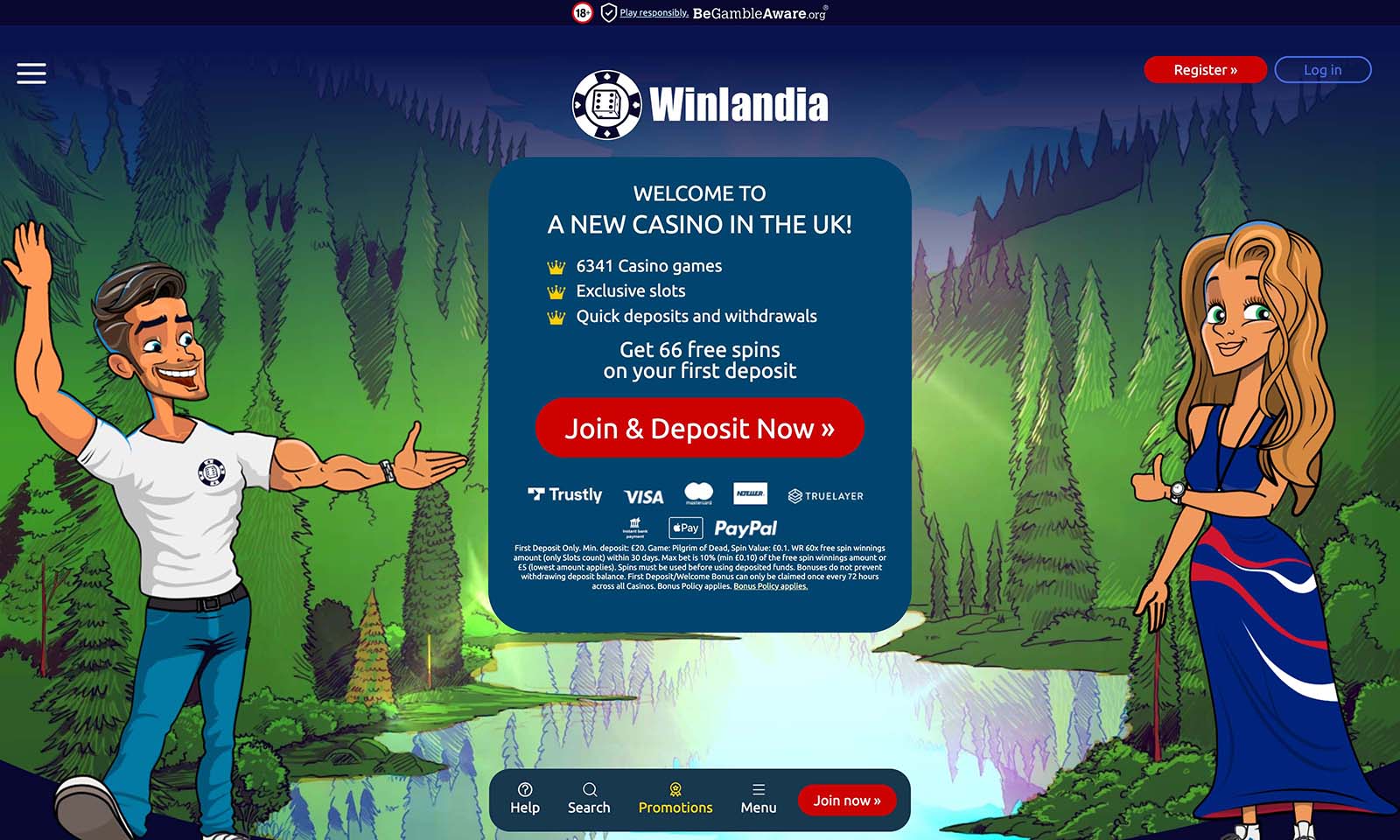
From classic fruities to explosive megaways, Winlandia has the games you love. Register today and grab your welcome bonus and free spins.
What is Winlandia and what services does it offer?
Winlandia is a boutique immigration consultancy based in Poland, specializing in helping non‑EU nationals obtain Polish temporary residence permits and, eventually, EU long‑term residency. The company provides end‑to‑end support that covers legal advice, document preparation, submission handling, and representation before Polish authorities. Its core service revolves around the “business‑oriented” residence path—often referred to as the “company representative” or “manager” route—where applicants set up or join a Polish company and apply for a temporary residence card for up to three years. Beyond that, Winlandia also assists with work permits, family reunification, and citizenship applications, while offering tailored guidance for entrepreneurs, investors, and remote workers who want to relocate to Poland and eventually gain access to the entire Schengen Area.
Who is the ideal candidate for Winlandia's residence program?
The program is designed for non‑EU citizens who are either business owners, executives, or highly skilled professionals seeking a stable, long‑term base in the European Union. Ideal candidates include digital nomads and freelancers who want to formalize their stay in Europe, entrepreneurs looking to expand into the Polish market, or managers of international companies who need to oversee operations from within the EU. Winlandia explicitly targets individuals who have a clear source of income from outside Poland and can demonstrate the ability to contribute to the local economy—typically through owning shares in a Polish limited liability company (sp. z o.o.) or serving as a member of its board. The firm notes that the program works particularly well for those who do not qualify for Poland’s “Blue Card” (EU high‑skilled worker directive) and want a more flexible path without strict salary thresholds.
What are the main steps to obtain a Polish temporary residence card through Winlandia?
The process generally unfolds in four stages. First, the applicant consults with Winlandia’s legal team to assess eligibility and decide on the most suitable legal basis—typically “performing a function in a company’s management board.” Second, Winlandia assists in incorporating a new Polish company (or restructuring an existing one) and preparing all required documentation, including business plans, financial statements, and proof of health insurance. Third, the application is submitted to the Voivodeship Office (Urząd Wojewódzki) in the province where the company is registered; biometric data is collected, and a stamp in the passport confirms legal stay while the application is processed. Fourth, after 2–6 months of processing, the temporary residence card is issued, granting stays of up to three years with the right to work and travel within the Schengen zone for 90 days per 180‑day period. Winlandia handles every communication with the authorities and provides regular updates to the client.
What documents are typically required, and how long does the whole process take?
A standard application packet includes a valid passport, four recent photographs, proof of health insurance covering the entire Schengen area, a rental agreement or property ownership document in Poland, a criminal record certificate from the applicant’s home country (translated and apostilled), and company documents: the KRS (National Court Register) extract, articles of association, financial statements (if any), and a statement explaining the applicant’s role and the company’s activities. Winlandia emphasizes that the exact list may vary by voivodeship. As for timing, company registration can be completed within 1–2 weeks; document preparation takes another 2–4 weeks; the formal submission at the Voivodeship Office usually happens within a month of signing the contract. The actual residence card processing by the authorities ranges from 2 to 6 months, but often falls around 3–4 months for straightforward cases. Winlandia offers a “priority” option that may shorten the bureaucratic waiting time by having a lawyer request expedited handling where legally possible.
What are the total costs involved, including Winlandia’s fees and government charges?
Winlandia’s service fee starts at approximately €4,500–€5,500 for the full temporary residence package, which includes company incorporation, legal representation, document translation, and submission. Additional costs include the government stamp duty for the residence card (around 440 PLN, roughly €100), the cost of a criminal record certificate (varies by country), translation and apostille fees (budget €200–€500), and the obligatory health insurance (about €250–€400 per year for a basic plan). If the client does not already have a physical address in Poland, Winlandia can assist with finding a rental and registering the company’s seat, which adds variable costs. The company is transparent on its website about these figures and offers a detailed breakdown during the initial free consultation. They also note that all fees are paid in installments tied to milestones, so clients never pay the full amount upfront.
Can family members accompany the main applicant, and what rights do they get?
Yes, Winlandia’s program covers family reunification. Spouses, registered partners, and minor children (under 18) can apply for a dependent temporary residence card simultaneously or after the main applicant obtains their card. The dependent card carries the same validity period and allows family members to work or study in Poland without needing a separate work permit. Children can attend Polish public schools free of charge. Winlandia prepares a separate application for each dependent and includes them in the same submission strategy to avoid duplicate paperwork. After five years of continuous residence in Poland (which counts for both the main applicant and dependents), all family members become eligible to apply for EU long‑term residence, and after ten years they can apply for Polish citizenship. Winlandia’s consultants also advise on school enrolment, healthcare registration, and tax considerations for the whole family.
What happens after I get the temporary card? Can I travel and eventually become a permanent resident?
With a valid Polish temporary residence card, you are allowed to live and work in Poland and travel visa‑free within the Schengen area for up to 90 days within any 180‑day window. You must spend the majority of your time physically in Poland—there is no strict minimum but authorities expect you to have “actual residence” and not just a postal address. After five years of continuous temporary residence (the card is typically renewed every two to three years), you can apply for EU long‑term residence (permanent residency) in Poland, which grants indefinite stay and the right to work anywhere in the EU subject to local labor market rules. After ten years of residence (or three years on permanent residence if you are married to a Polish citizen), you may apply for Polish citizenship. Winlandia helps clients track the timing and prepare the naturalization dossier when the time comes. They also note that the temporary card holder can start a business, buy property, and access the public healthcare system after registering with ZUS (the Polish social insurance institution).
Are there any hidden pitfalls or reasons why an application might be denied?
The most common reason for refusal is insufficient proof of genuine economic activity. Polish authorities scrutinize “paper companies” that exist only for the residence application—Winlandia mitigates this by requiring clients to show real business operations, such as an active website, bank transactions, contracts with clients, or plans to hire employees. Another pitfall is failing to demonstrate stable and legal income: the applicant must prove they have financial resources to support themselves without burdening the Polish welfare system. Incomplete or improperly translated documents, mismatched information across forms, and prior over‑stay in the Schengen area can also lead to denial. Winlandia conducts a thorough pre‑screening to catch these issues early and offers a “refund of service fee” guarantee (conditions apply) if the application is rejected due to an error on their part. The firm stresses that staying in compliance with tax and social insurance obligations is critical for subsequent renewals.
 English
 Français
 Deutsch
 Español
 Italiano
 Português